1
1
 0
0
NASIR ALI
Srinagar: The serene valleys of Srinagar, once known for their academic vibrance and cultural richness, are witnessing an unsettling trend that has sent shockwaves through the community an alarming rise in drug abuse and smoking among college students. Reports emerging from various educational institutions suggest that substance use is no longer confined to isolated cases; it has now taken root within the student population, posing a grave threat to both individual futures and the social fabric of Kashmir’s youth.
Experts and social workers attribute this growing crisis to multiple factors peer pressure, unemployment, easy availability of drugs, and, most importantly, a lack of emotional support systems for young people navigating academic stress and personal challenges. What was once a hushed concern whispered among parents and teachers has now become an undeniable public health emergency.
In response to this deepening crisis, Help Poor Voluntary Trust (HPVT), a Srinagar-based NGO known for its long-standing commitment to social welfare and health awareness, has joined hands with the Kashmir American Society for Healthcare, Medical Education and Research (KASHMER) to launch a comprehensive initiative aimed at promoting mental health awareness and emotional well-being among students.
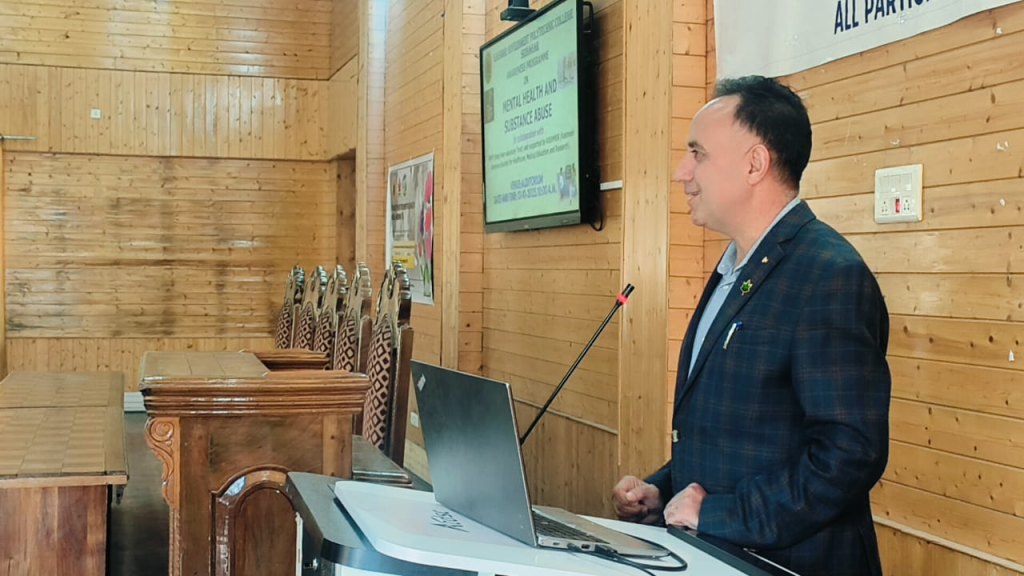
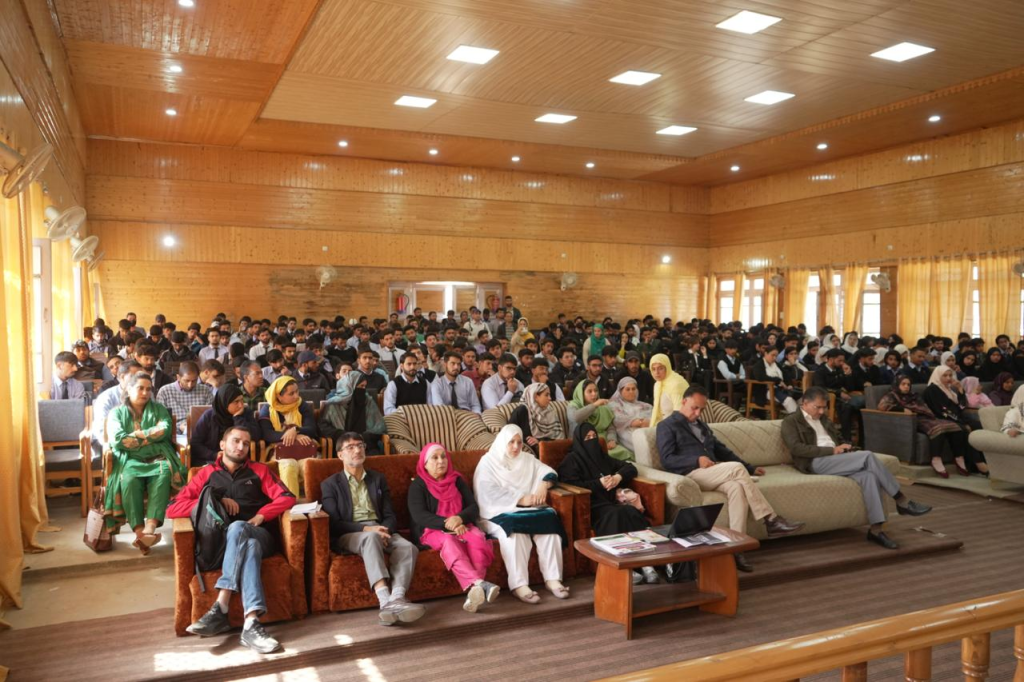
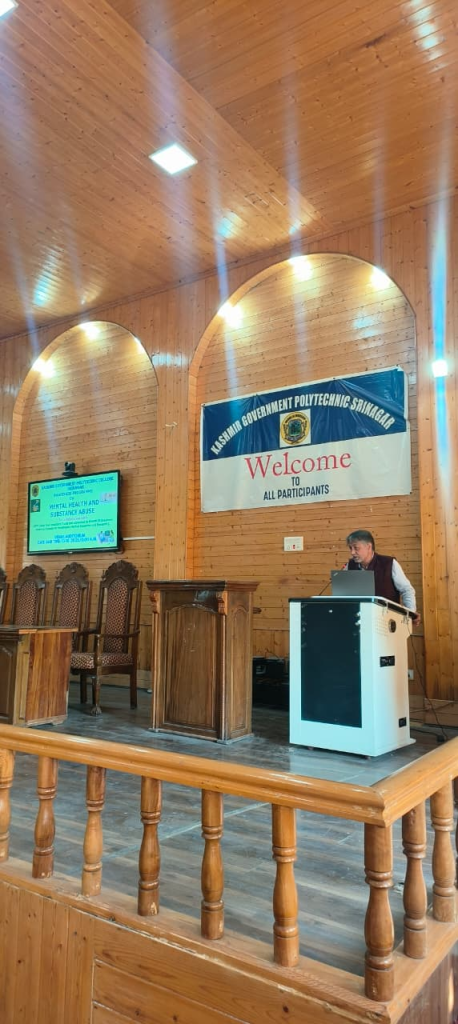
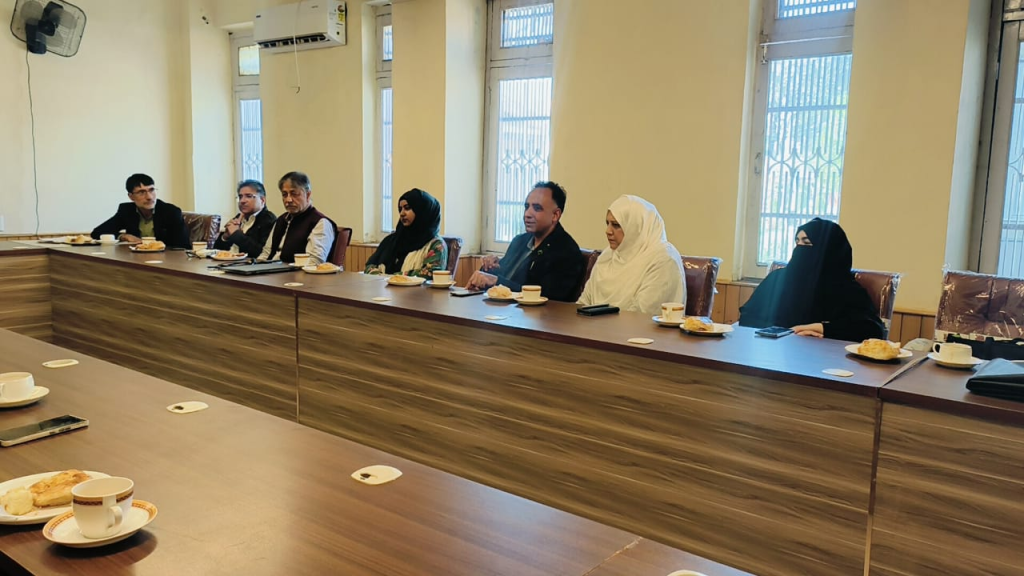
The initiative, set to be rolled out at Kashmir Government Polytechnic (KGP), Gogjibagh Srinagar, under the “Happy and Healthy Minds” initiative—marking a major stride in promoting emotional well-being and mental health awareness among students. This will include awareness workshops, counseling sessions, and peer-support programmes to equip students with coping mechanisms against stress, anxiety, and depression the often-ignored triggers behind substance abuse.
Speaking about the initiative, Dr. Riyaz Ahmad, a senior member of KASHMER, emphasized that “drug addiction is not merely a social problem, it’s a mental health issue that demands empathy and professional intervention. We can’t treat our youth like offenders they need understanding, guidance, and healing.”
Consultant Clinical Psychologist Dr. Mohd. Muzaffar Khan was the guest speaker on the occasion. In his address, Dr. Khan shed light on the growing mental health challenges faced by youth, including stress, anxiety, and maladaptive coping mechanisms. He underscored the need for adopting positive coping strategies to prevent mental distress and substance misuse.
The program also featured insightful presentations by Mrs. Sabahat Muzaffar and Mr. Adil Rashid. Mrs. Muzaffar spoke on the fundamentals of mental health, emphasizing self-awareness, emotional regulation, and resilience, while Mr. Rashid discussed the causes and consequences of substance abuse and its far-reaching impact on individuals and society.
Principal Dr. Shafaquat Ara expressed her deep appreciation for the collaborative efforts of KASHMER (Kashmiri American Society for Healthcare, Medical Education and Research) and HPVT (Help Poor Voluntary Trust) in establishing the Counseling Cell. She highlighted the importance of integrating mental health support within educational institutions to help students lead balanced, confident, and productive lives.
The newly launched Mental Health Counseling Cell will provide a confidential, safe, and accessible space for students and staff seeking psychological support and guidance. It aims to cultivate a compassionate and inclusive campus culture, reaffirming KGP’s commitment to the holistic development and well-being of its students.
Behind the walls of colleges and universities, many students silently battle stress, loneliness, and identity crises. With limited mental health resources available on campuses, many turn to smoking and substance use as coping mechanisms.
One of the major challenges faced by initiatives like HPVT and KASHMER’s campaign is the deep-rooted stigma surrounding mental health in Kashmiri society. Many students hesitate to seek help, fearing social judgment or being labeled as “weak.” This silence, experts say, only worsens the situation.
“Breaking the stigma is our first goal,” says, a mental health counselor. “Students must feel safe and supported to talk about their emotions. It’s time we normalize conversations about stress, depression, and anxiety because these are as real as any physical illness.”
The organizations stress that tackling drug abuse requires a collective societal effort involving not only institutions but also parents, religious leaders, and local communities. Awareness drives will be conducted in neighborhoods and public spaces, urging families to engage in open conversations with their children and to remain alert to behavioral changes that might indicate substance use.
Amid the grim reality, the partnership between HPVT and KASHMER offers a glimmer of hope a reminder that Kashmir’s youth, though troubled by challenges, are not beyond redemption. By focusing on prevention, early intervention, and compassion-driven care, these organizations aim to create a supportive environment where students can rediscover purpose, resilience, and self-worth.
The fight against drugs is not just about policing; it’s about healing minds and nurturing hope. And with collaborative efforts now taking shape, Kashmir may finally be taking its first decisive step toward protecting its most valuable asset its youth.